

This is my investing strategy in a nutshell:
catalyst → breakout = phase transition → violent price action → better timing and increased risk-reward
In practice, a breakout equals a phase transition. The price action regime moves from balance (range/contraction/consolidation) to imbalance (trend/expansion/impulse). This regime change brings a few things: a higher probability of success and a reduced probability of loss (the timing component); limited downside and increased upside (the risk-reward component).
This is what phase transition looks like:
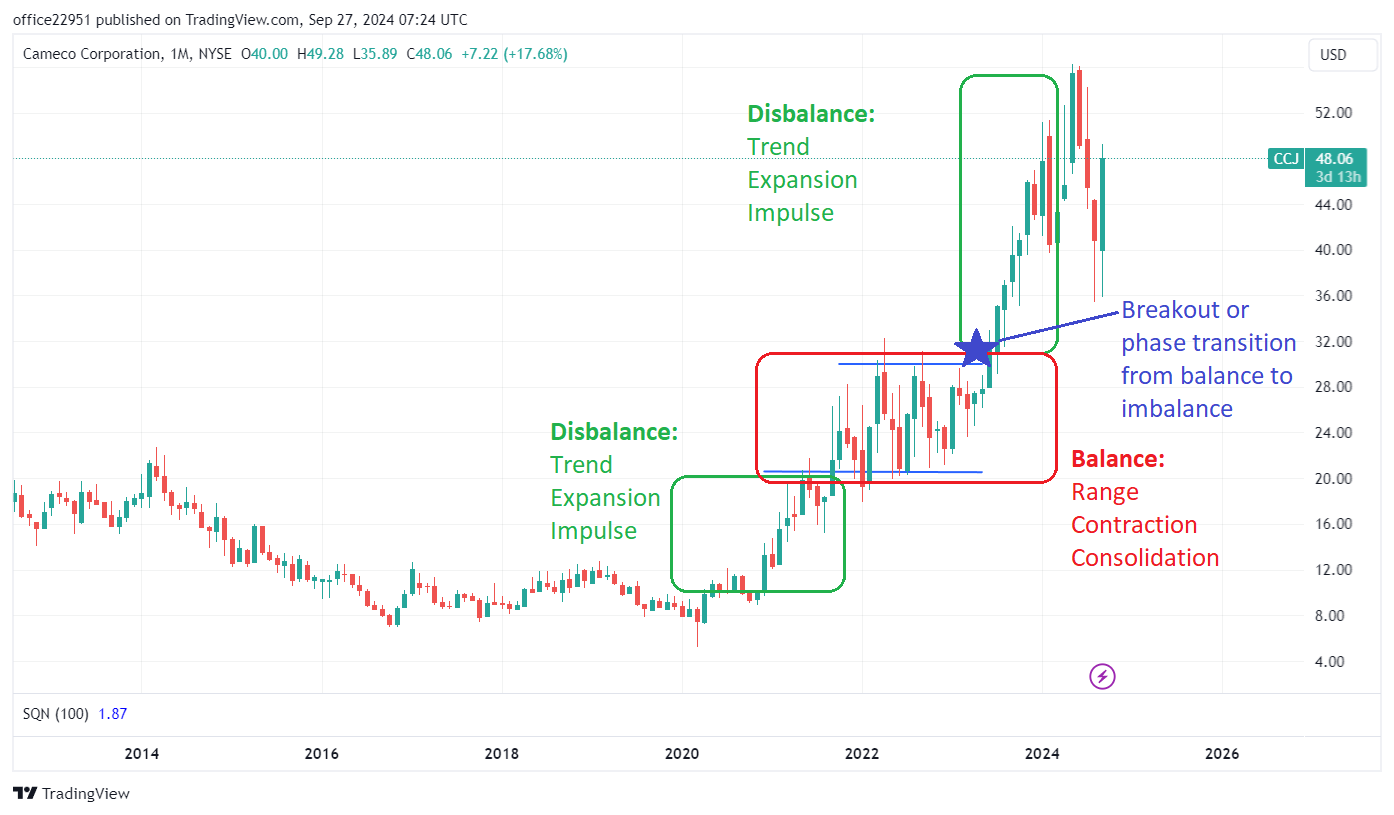
The graph shows Cameco Corporation (NYSE: CCJ )'s price action from 2013 to 2024. The chart is a blast from the past, nevertheless, it clearly illustrates what a phase transition is.
Welcome to the chart porn edition. In this publication, I examine the most attractive charts that I found among Argentine equities.
More about catalysts, probabilities, and phase transitions you will find in these old but gold publications:


Macro rants on LatAm and Argentina
Let’s start with the big picture, or where LatAm equities are today:
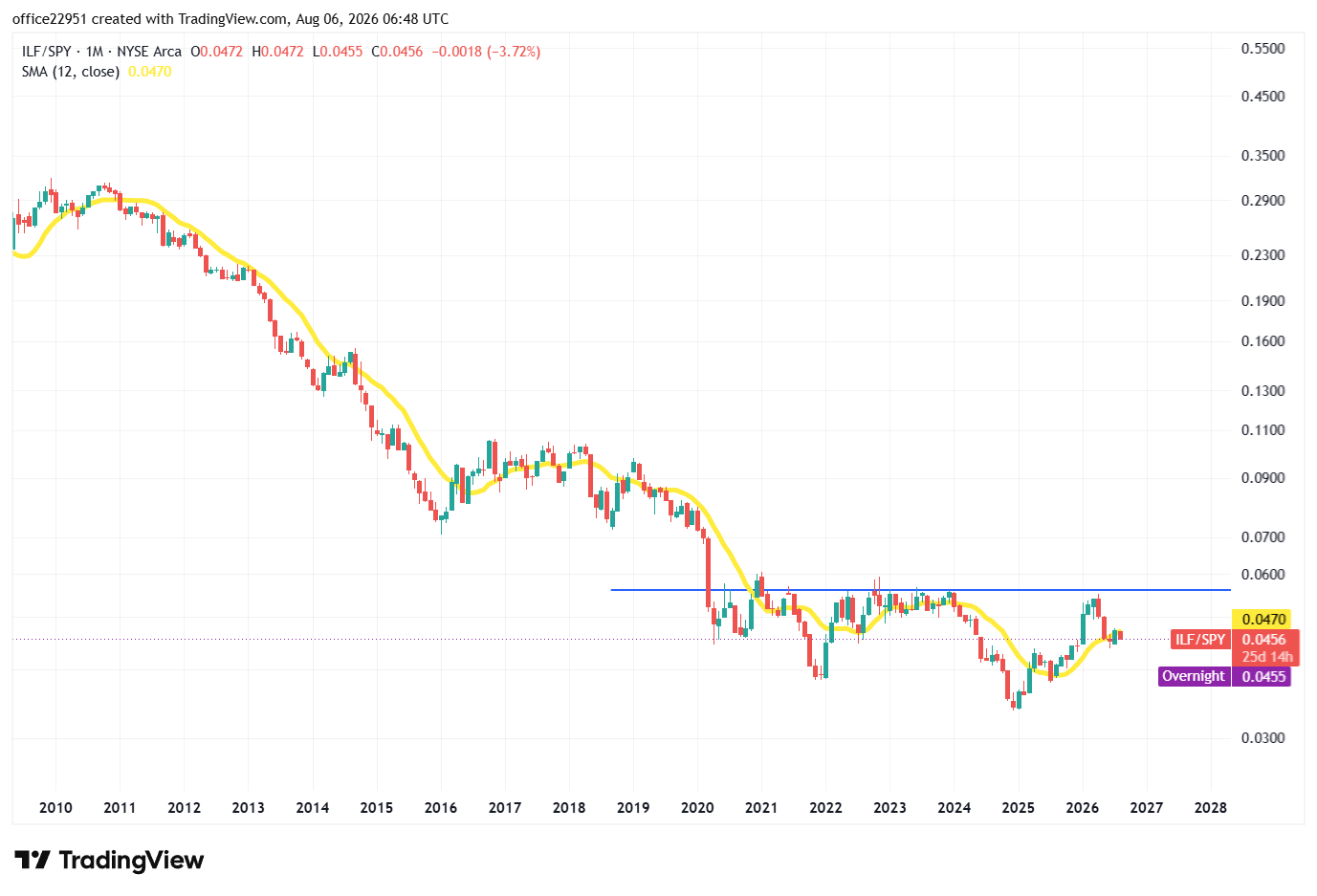
To put it bluntly, LatAm is still dirt cheap relative to the US market, as measured by the ILF/SPY ratio. Individual markets reveal the same picture: extreme relative undervaluation.
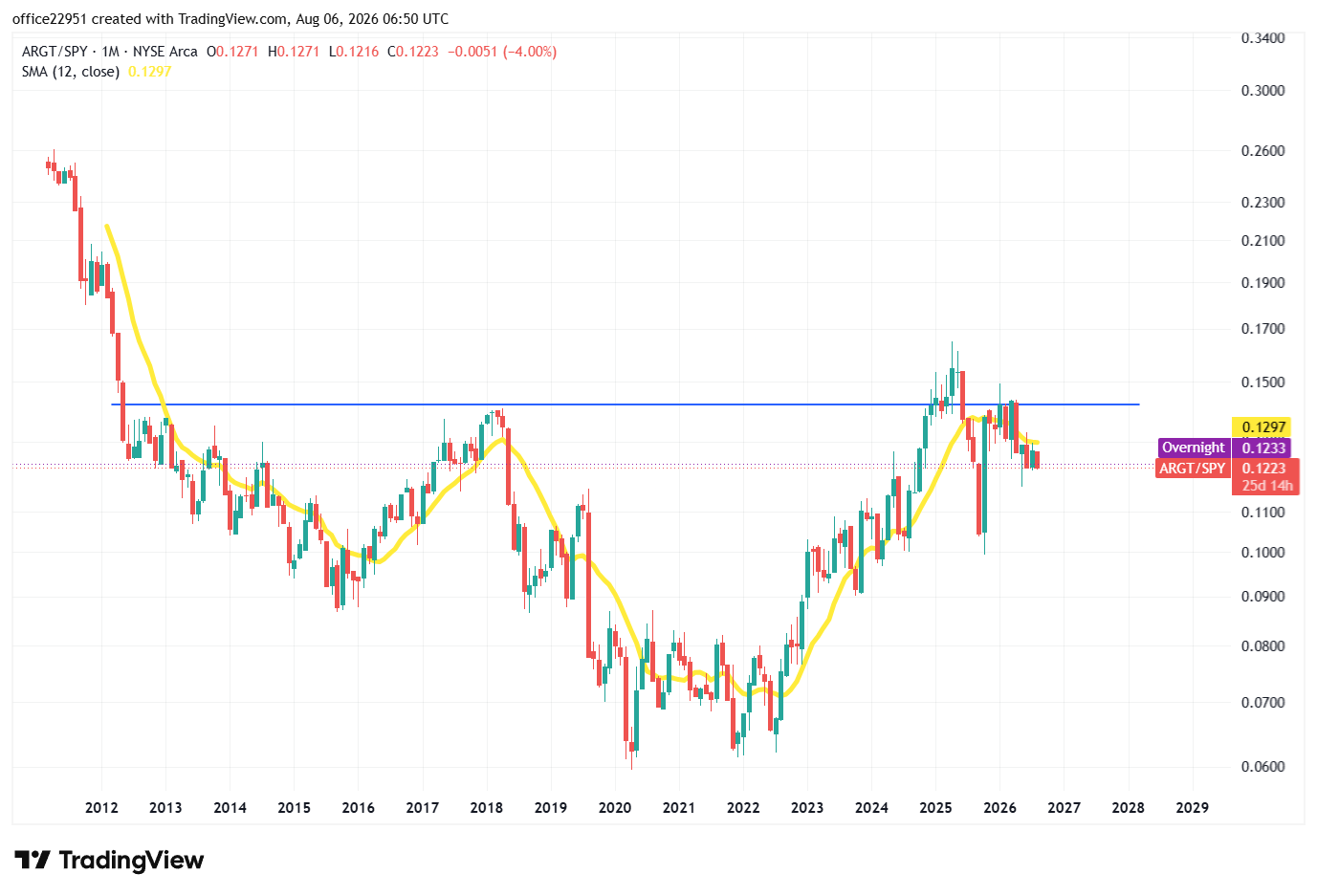
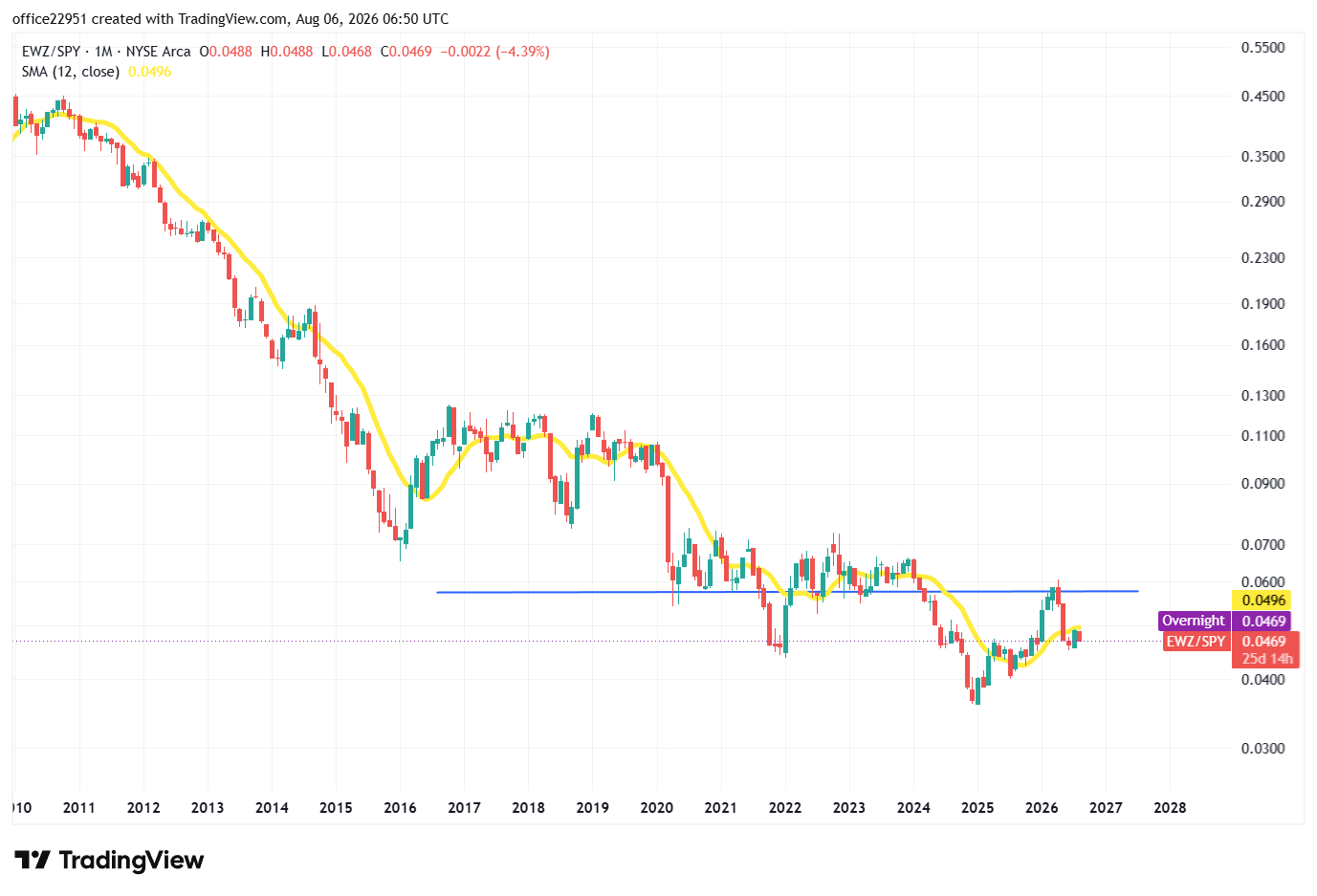
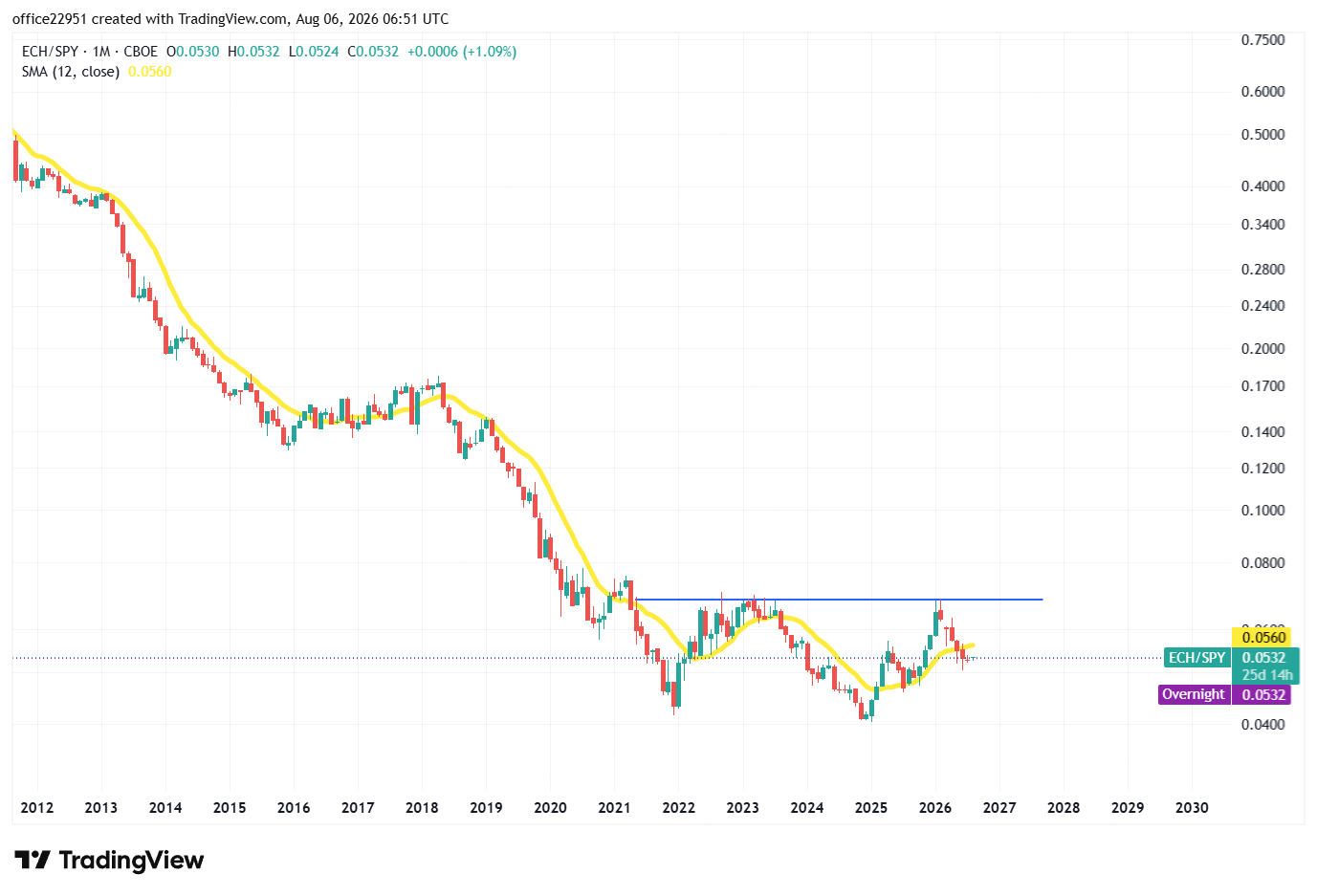
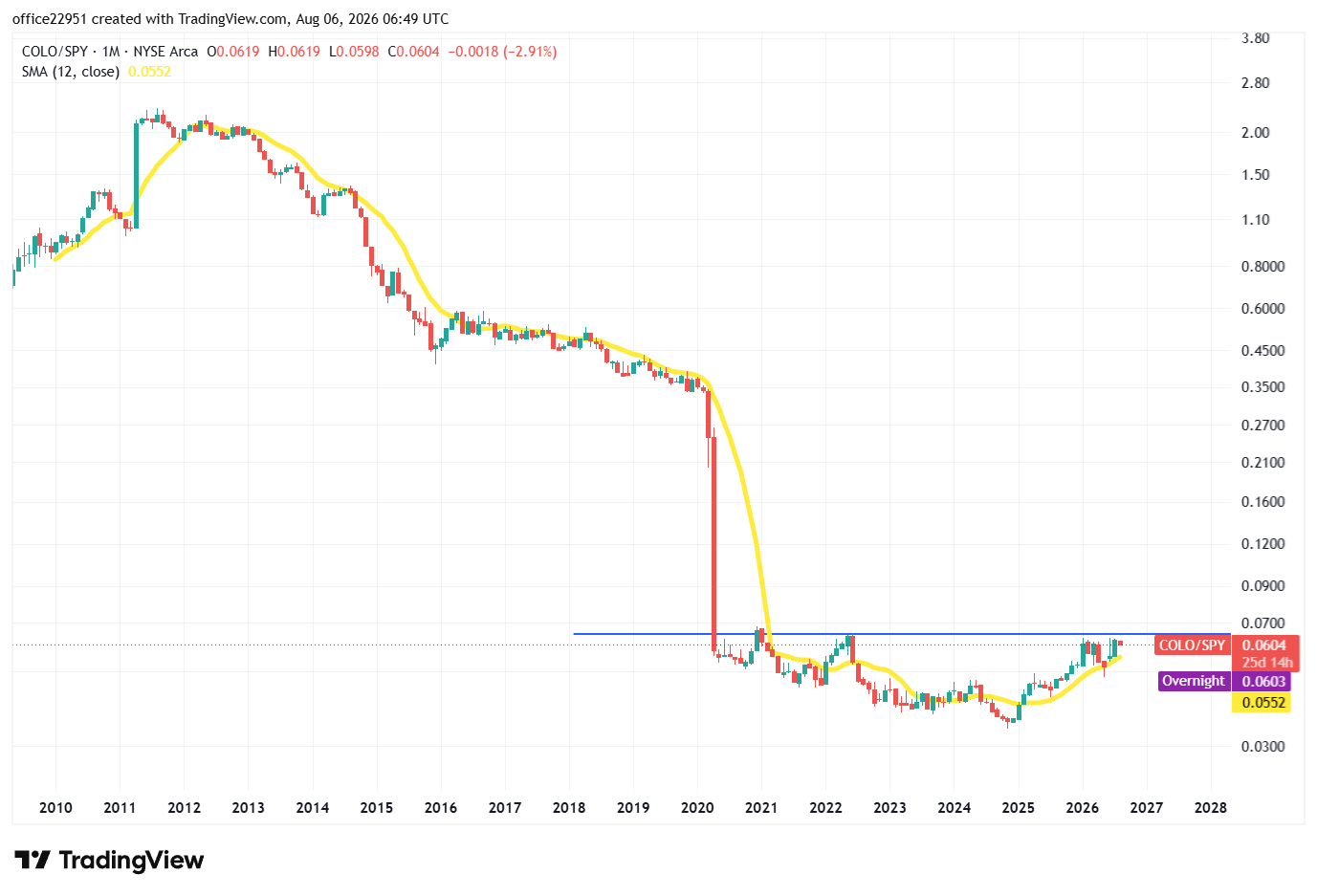
Although Argentine equities are still relatively cheap compared to ARGT/SPY peak levels, Argentina is the least undervalued market in the group. This is not to say that the upside has all been consumed or that the probabilities are against us. Quite the opposite, Argentine equities have significant room to grow, and probabilities are very favorable.
Before I move on to today’s charts, a few paragraphs of macro rants.
LatAm equities were under pressure amid dollar volatility driven by rising yields. These are the two most important charts for EM investors:
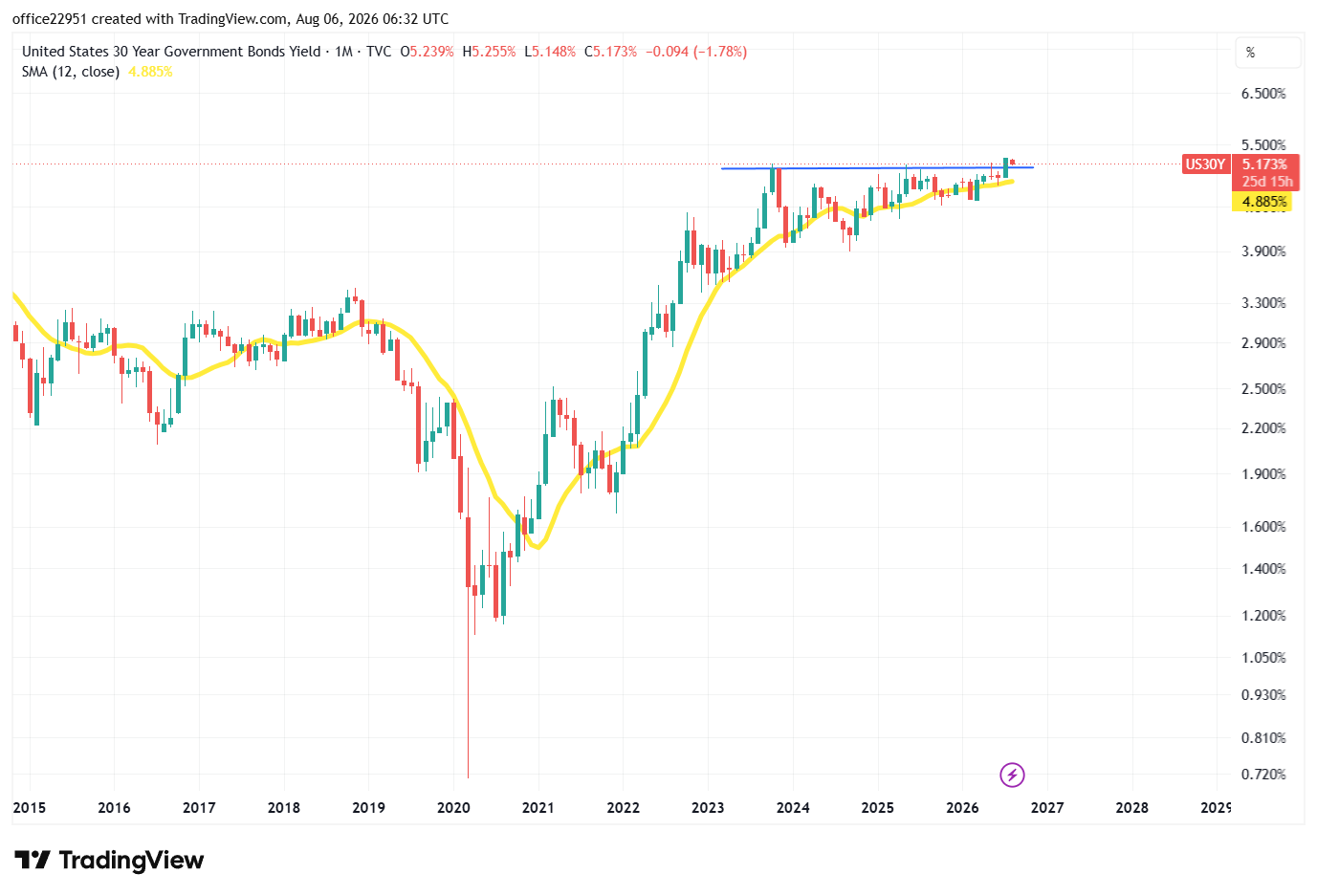
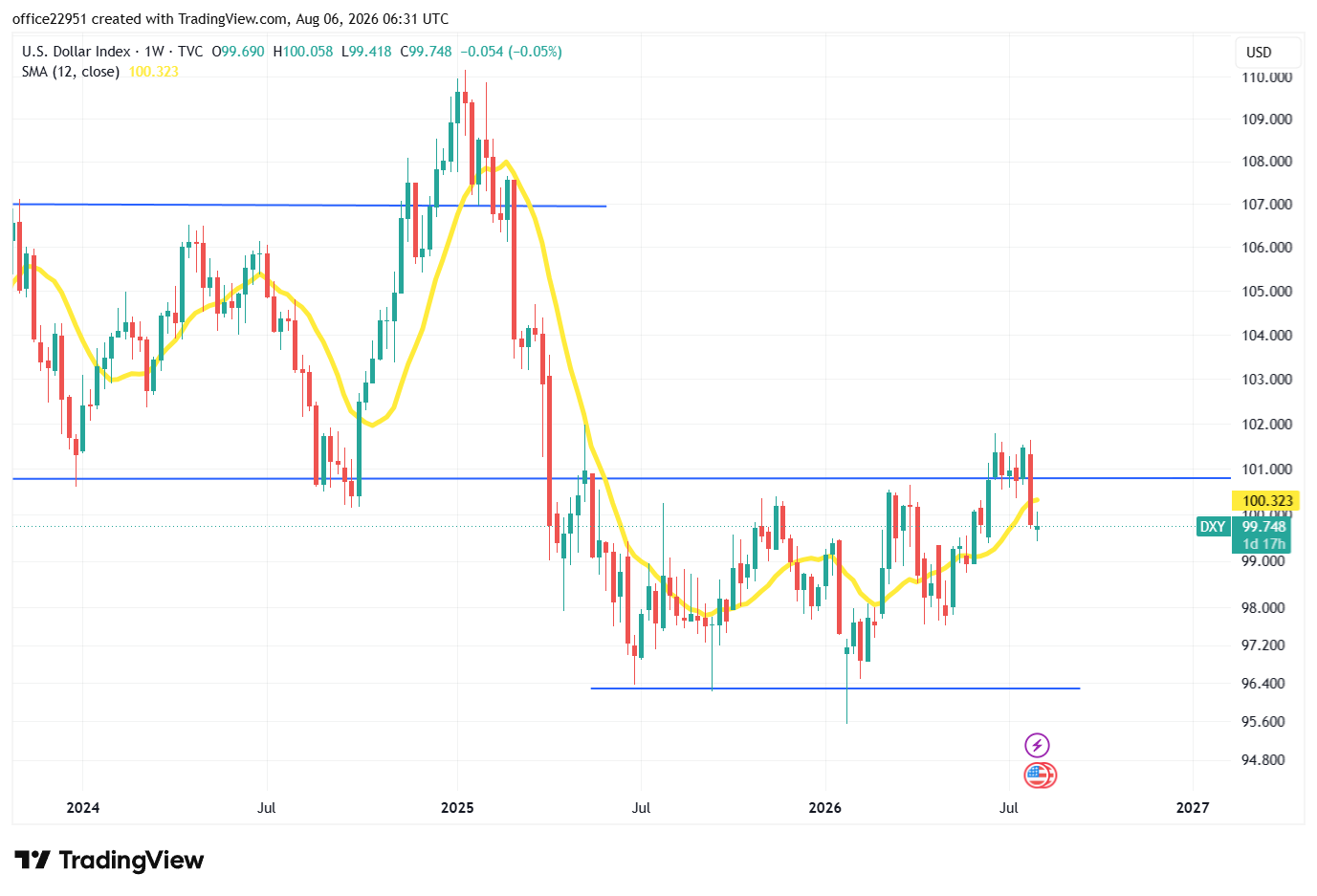
DXY failed to break out on the weekly chart. Meanwhile, US30Y pierced a long-term resistance on the monthly chart, and, at least for now, the breakout holds.
The combination of elevated yields and stronger DXY has pushed EM securities into a balance regime, in other words, range/contraction/consolidation. However, the failed DXY breakout means one fewer headwind for EMs. Basically, due to the recent sideways volatility in the LatAm markets, there are plenty of opportunities to capture phase transitions, ie, breakouts.
From the four countries – Argentina, Brazil, Chile, and Colombia – Argentina offers the best charts. This fact is due to the distinct election-cycle timelines. Among the major LatAm economies, Argentina was the first to shift to the political and economic right. Javier Milei won the presidential elections on December 10, 2023. Since then, Argentine equities recorded a solid bull run in 2024, followed by a period of consolidation over the next several quarters. The current setup in Argentina is as attractive as it gets: a stronger economy, declining inflation, an improved credit rating, and the 2027 presidential elections. That’s why another leg of the Argie bull market is a highly probable scenario.
Besides the 2027 elections, there is one more catalyst. Argentina is currently classified as a standalone market. For reference, the image (via MSCI) below:
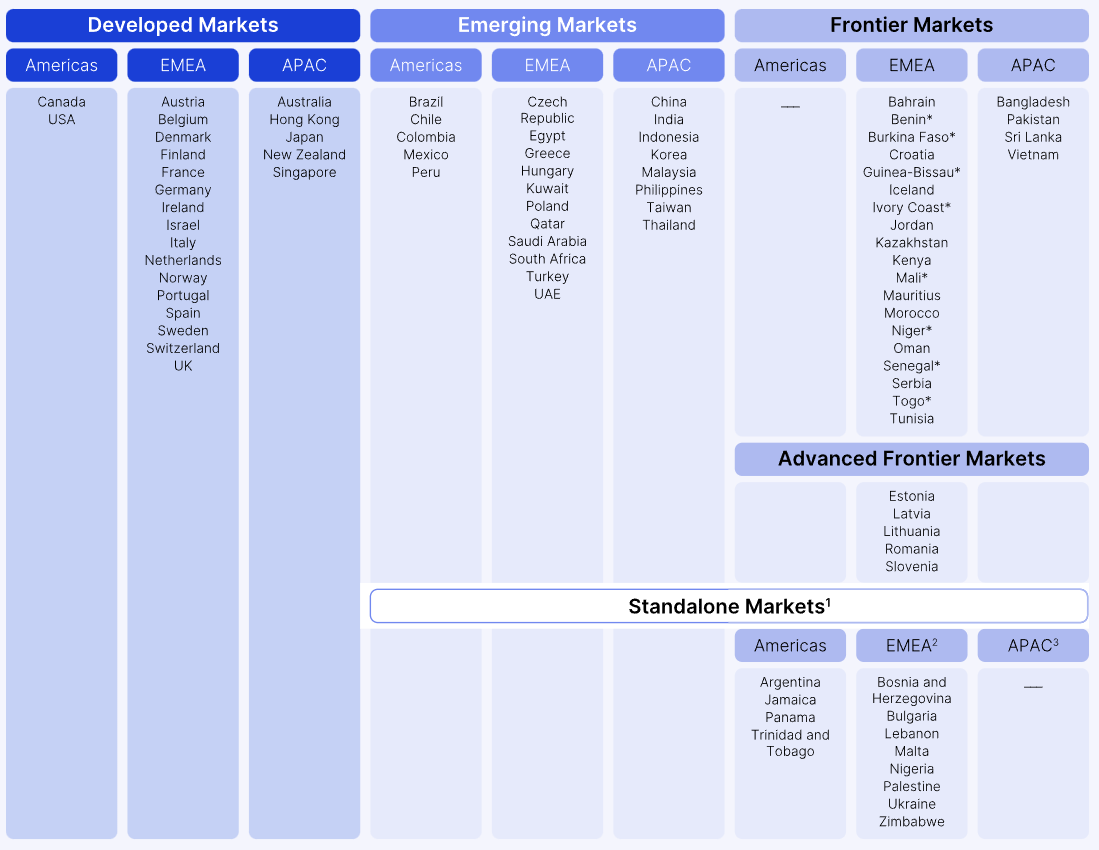
Classifying Argentina as a frontier market and potentially as an emerging market will attract massive institutional flows. Remember, liquidity begets liquidity.
The chartstack
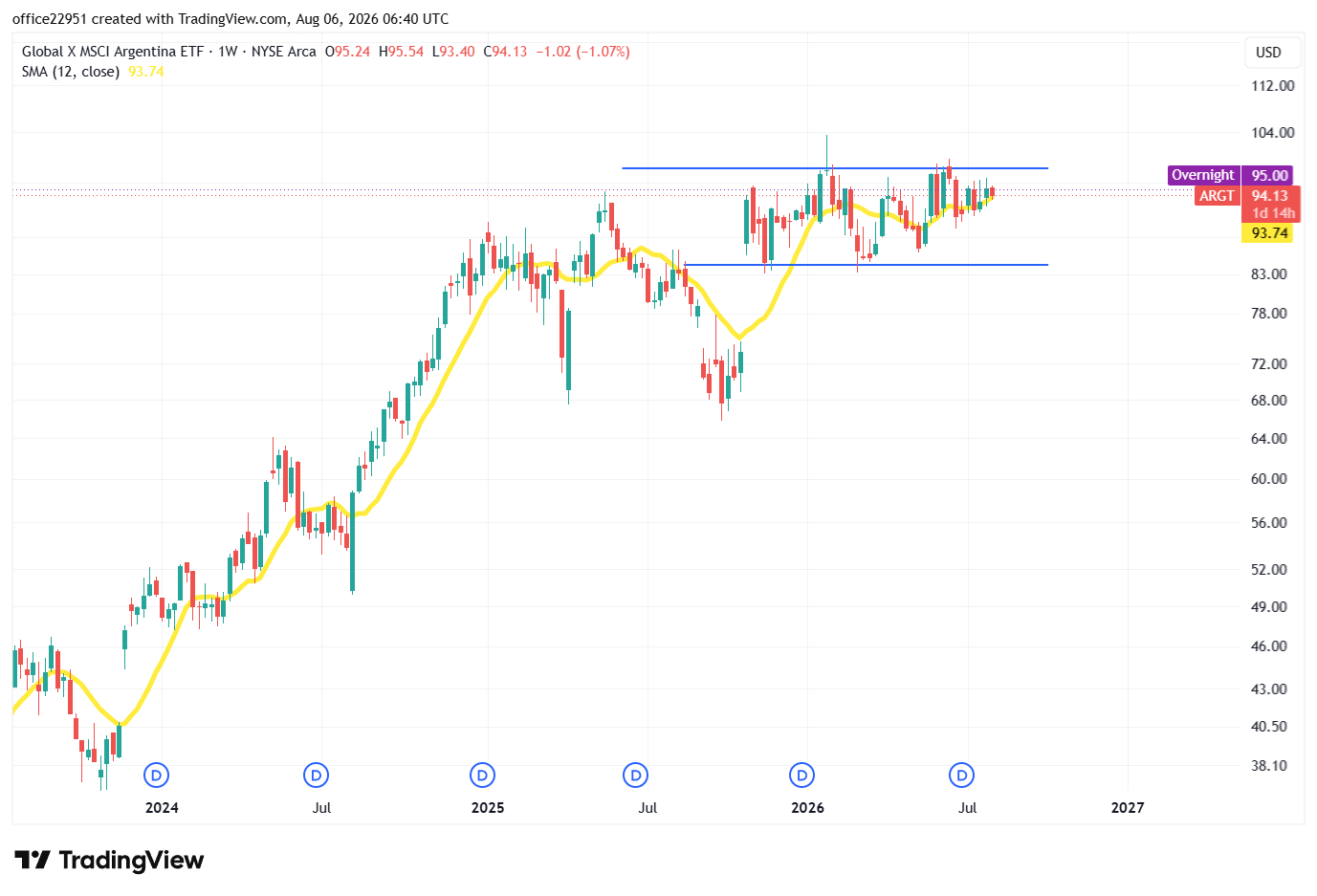
Here are my favorites from the Southern Cone. Global X MSCI Argentina (NYSE Arca: ARGT) sets the tone. Look at that lovely chart.
Argentine stocks follow a similar pattern. The charts below show the following names: CRESUD SACIF (NYSE: CRESY), Loma Negra SA (NYSE: LOMA), Pampa Energia SA (NYSE: PAM), Banco BBVA Argentina (NYSE: BBAR), Banco Macro SA (NYSE: BMA), Transportadora de Gas del Sul SA (NYSE: TGS).
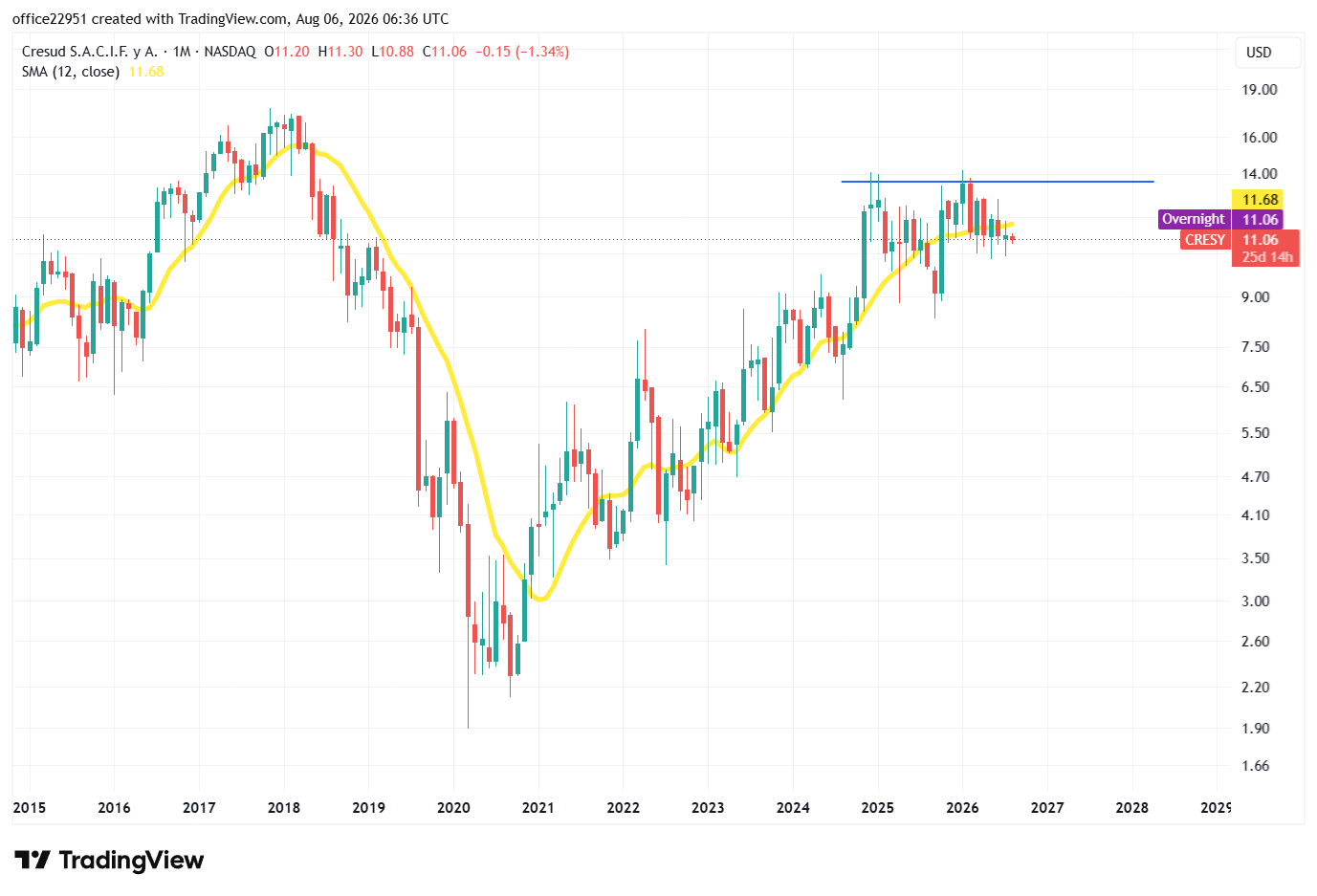
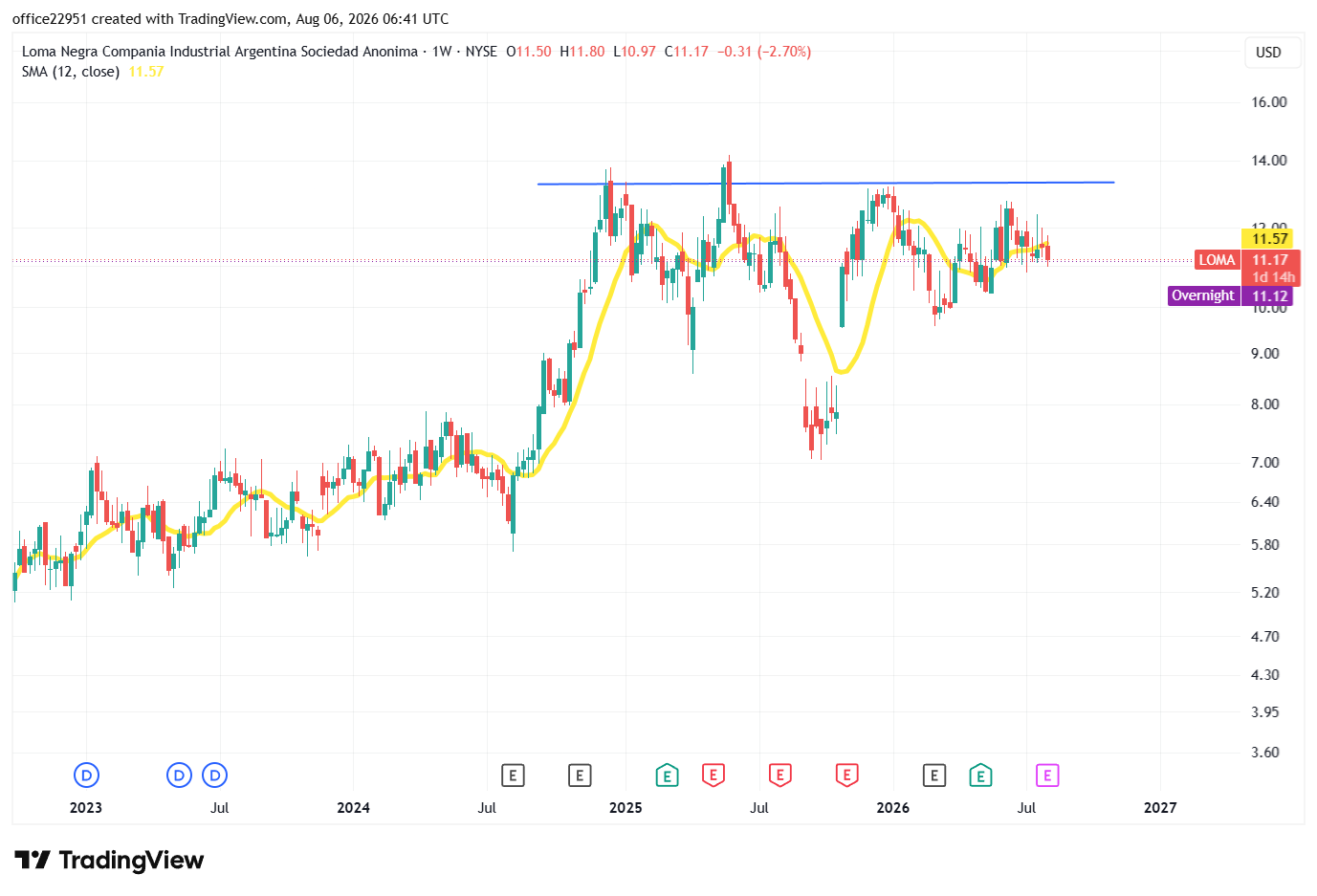
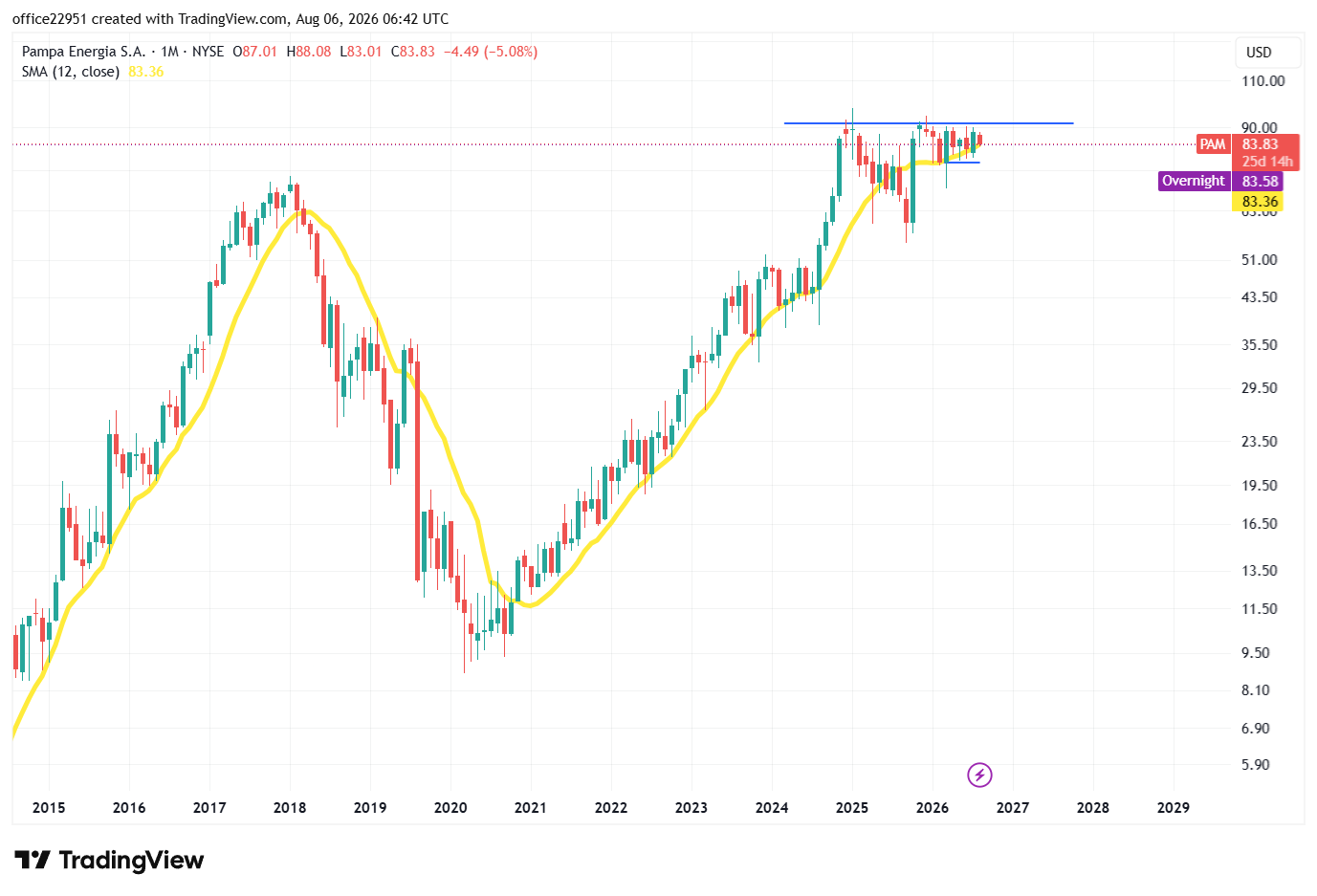
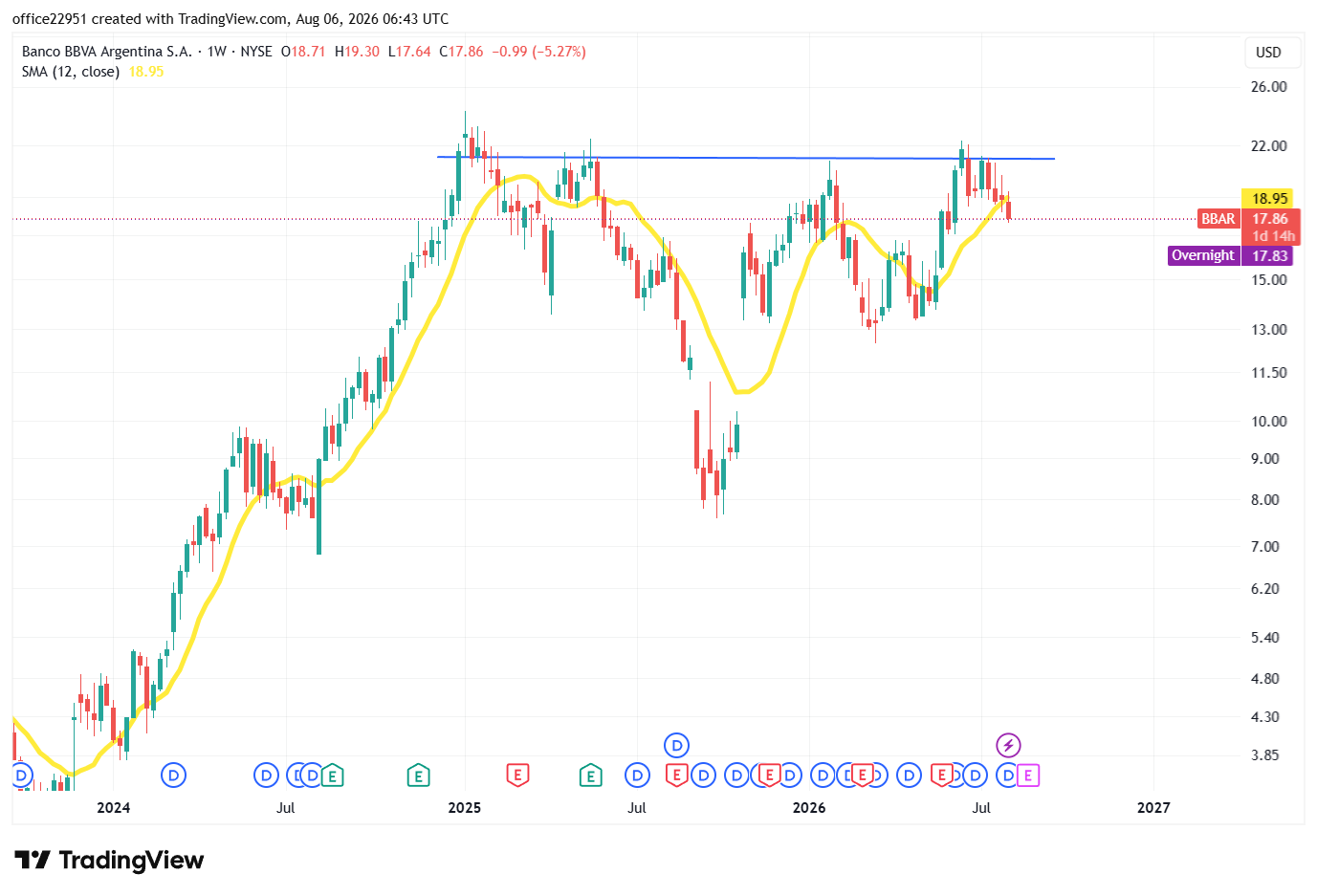
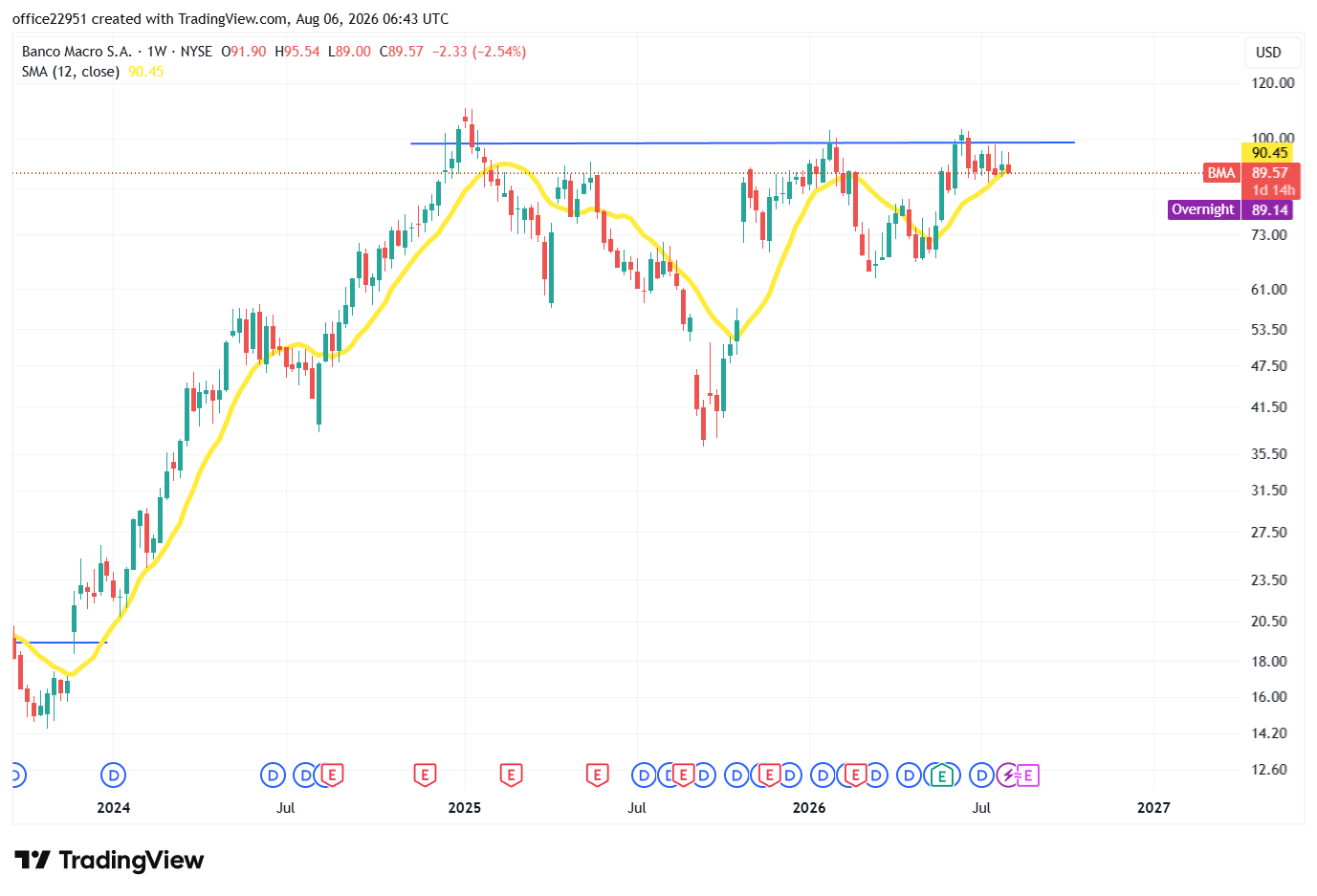
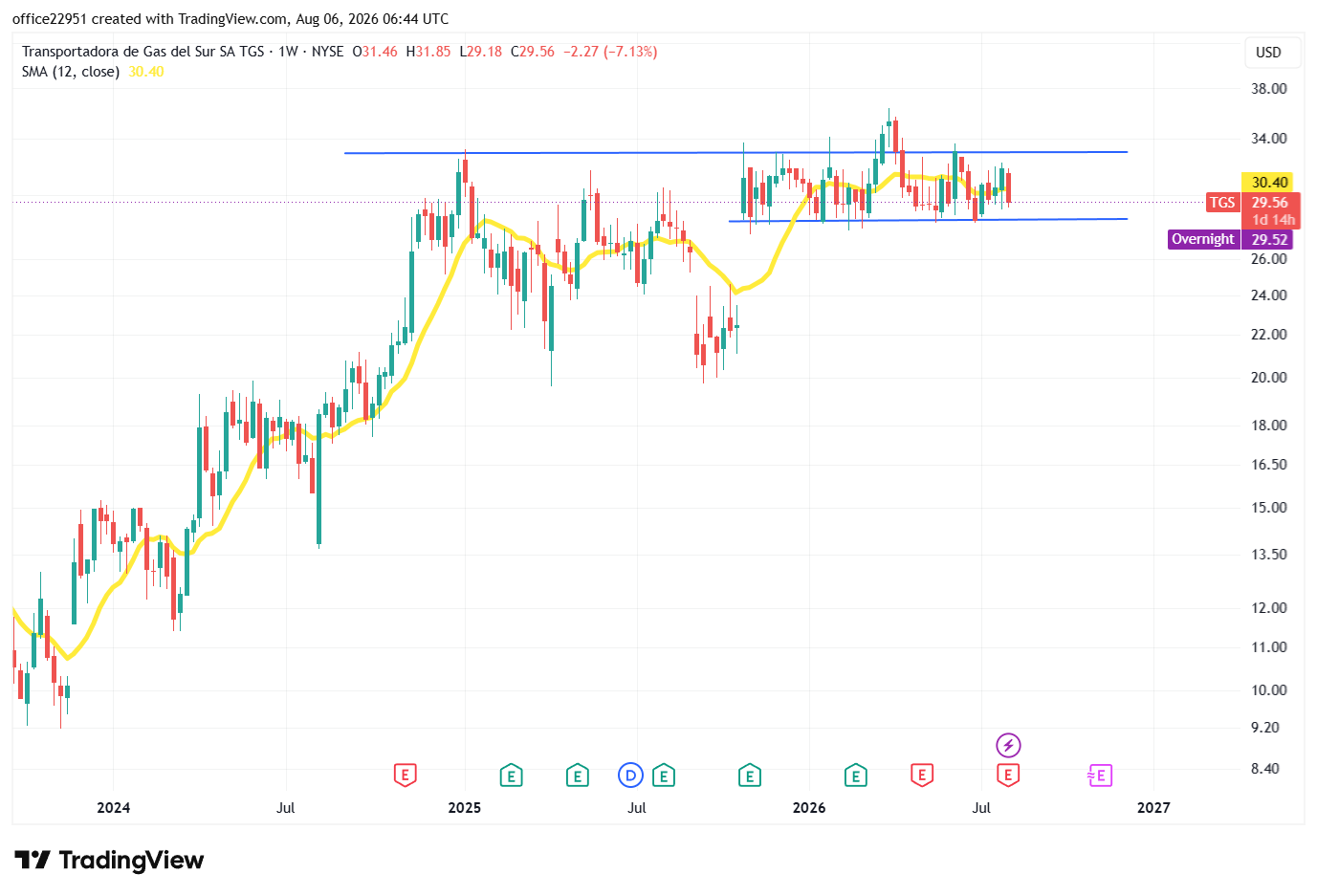
As you can see, there are not only monthly charts but also weekly charts. Normally, I stick to monthly charts. However, when I expect a bull run to continue, I occasionally move down to the weekly charts. Weeklies offer a fair trade-off. I get better timing and RR if a breakout succeeds, but the price I pay is a higher failure rate for breakouts.
Another thing to note is that all the mentioned equities are still consolidating, and the anticipated phase transition is a few weeks to months away. So, there is enough time to consider and structure exposure to the “Long Argentina” theme.
Final Thoughts
The next election cycle is approaching in Argentina. The reforms implemented by Milei’s administration increase his odds of winning a second term. But the most important thing is that, if Milei prevails next year, his victory will signal a possible end of the vicious Argentine cycle. On top of that, Argentina might move from a standalone to a frontier and eventually to an emerging-market realm. This means significant flows will enter the Argentine capital market.
The game is about stacking catalysts, as always has been. What we got for Argentina is another election cycle and probable market reclassification. But there is more: the catalysts are accompanied by supportive price action and relative undervaluation.
This is what well-argued trades are all about. To sum it up:
Catalysts: election cycle and market reclassification (both related variables).
Price action: constructive across segments and the broad market.
Valuation: Argentine equities remain cheap relative to the previous ARGT/SPY peak.
PS: For more actionable and asymmetric ideas on LatAm and beyond, consider TheOldEconomy premium plans: Researcher and Strategist.
Thank you for being part of TheOldEconomy. Here’s to your continued growth and success, one wise decision at a time.
Invest wisely,
Mihail Stoyanov
Founder, TheOldEconomy
Everything described on this site, TheOldEconomy.substack.com, has been created for educational purposes only. It does not constitute advice, recommendation, or counsel for investing in securities.
The opinions expressed in such publications are those of the author and are subject to change without notice. You are advised to do your own research and discuss your investments with financial advisers to understand whether any investment suits your needs and goals.
interesting.
a couple of questions:
1/ how do you act if the election turns back to previous (or worse) regime?
2/ looking at ARGT components - it looks like you ignored the top 5 (and about 50% of weight). e.g. MELI, YPF
is that intentional?